If you’ve been feeling tired, snacky, or stuck with weight that just won’t budge—especially around the middle—you’re absolutely not alone. And while it’s easy to blame age, hormones, stress, or “just the way things are now,” there’s often one surprisingly simple reason behind it all…
You’re not eating enough protein.
Before you roll your eyes and imagine a bodybuilder’s chicken-and-broccoli diet, hear me out. Protein isn’t about being “hardcore” or living off shakes. It’s about giving your body what it genuinely needs to function properly—particularly during midlife and menopause, when everything shifts a bit behind the scenes.
Let’s break it down in a calm, no-nonsense way.
Why Protein Is So Crucial During Midlife
As we get older, muscle naturally begins to decline—a process called sarcopenia. And
unfortunately, hormone changes (hello, oestrogen!) speed this up. Less muscle means:
● lower metabolism
● less strength
● more stubborn fat—often around the middle
● more fatigue
● more cravings
Not exactly ideal.
Protein helps counter all of this. It supports your muscles, keeps your metabolism ticking along, balances your blood sugar, and keeps you full for longer so you’re not rummaging through the biscuit tin at 3pm.
The Signs You’re Not Getting Enough Protein
Most women are eating far less than they think. A few clues you might be under-eating
protein:
● You feel hungry again not long after meals
● Afternoon cravings hit hard
● You feel “soft” even when the scale is steady
● You’re losing strength or struggling to build muscle
● You’re constantly tired
● Your weight sticks around your waist despite dieting
Sound familiar?
How Much Protein Do You Actually Need?
A simple guide: aim for at least 30g of protein per meal, and possibly a high-protein snack if you need it.
That might sound like a lot, but once you start paying attention, it’s completely doable.
Easy Ways to Increase Protein Without Feeling Like You’re on a Diet
This isn’t about forcing down dry chicken or chugging protein shakes (though a good shake can help!). It’s about weaving protein into your day in a way that feels natural, tasty, and sustainable.
A few simple swaps and additions:
● Add Greek yoghurt or cottage cheese to breakfast
● Choose eggs more often
● Add beans or lentils to soups, salads, and stews
● Swap toast for eggs on wholegrain bread
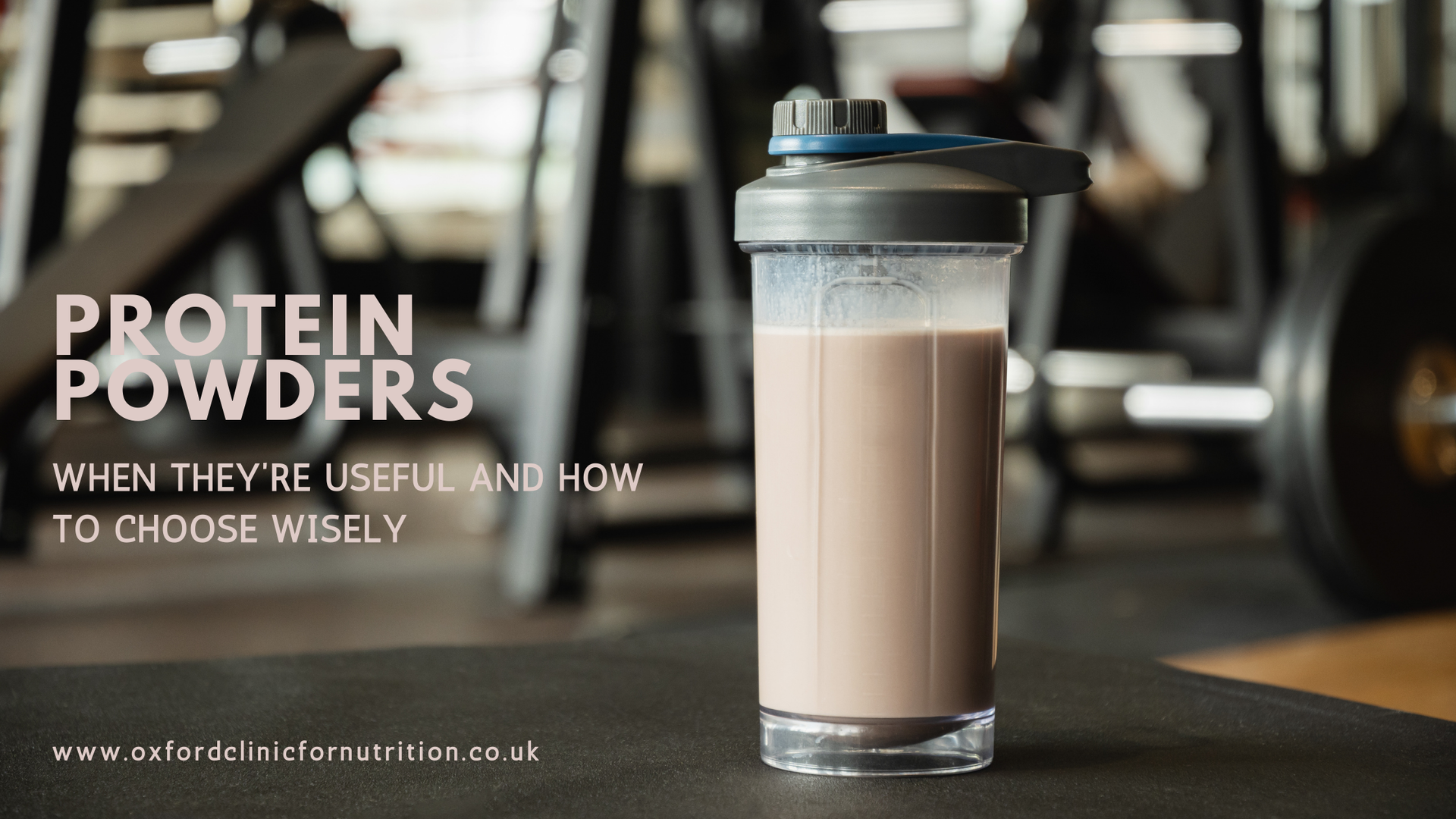
● Add a scoop of protein powder to smoothies or porridge
● Choose tuna, salmon, or chicken instead of low-protein options
● Snack on edamame, yoghurt, boiled eggs, or hummus rather than crisps
Small shifts, big differences.
What Happens When You Start Eating Enough Protein
Within a couple of weeks, many women notice:
● more steady energy throughout the day
● fewer cravings, especially sugar
● better muscle tone (that “held together” feeling)
● easier fat loss, especially around the middle
● improved mood and focus
● better recovery from exercise
In short: you feel more like you again.
The Bottom Line
If you’re doing “everything right” but still feeling tired, hungry, and stuck with belly fat, don’t jump into another restrictive diet. Start with protein. It’s one of the simplest, most effective changes you can make for your metabolism, hormones, and long-term health.
Eat more protein—your future self will thank you.
The Oxford Clinic for Nutrition
24 Barley Close, WallingfordUnited Kingdom