Are you waking up tired, struggling to get through the afternoon or relying on coffee to get you through the day
Feeling tired is something many women experience during midlife, particularly during perimenopause.
Hormonal changes can certainly contribute, but they're not the only possible explanation.
Your diet, sleep, stress levels, blood sugar regulation, iron status, vitamin intake and overall energy intake can all influence how you feel.
Are you eating enough?
One of the simplest questions to ask is whether you're actually eating enough food.
This can be particularly relevant if you've been trying to lose weight and have spent years dieting.
Consistently eating too little can leave you feeling tired, hungry, cold, irritable or preoccupied with food.
Weight management isn't simply about eating as little as possible.
Your body needs enough energy and nutrients to function properly.
Protein and Energy
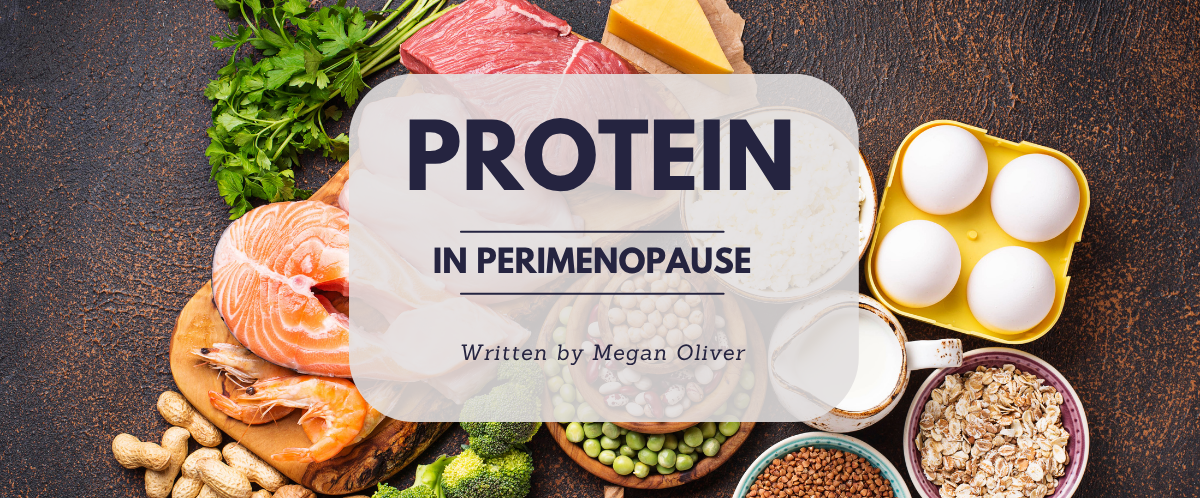
Protein doesn't directly provide more energy than carbohydrate or fat, but it is essential for maintaining muscle and supporting many functions throughout the body.
Including protein regularly can also make meals more satisfying.
Good sources include eggs, fish, meat, dairy products, beans, lentils, tofu, nuts and seeds.
Iron and Tiredness
Iron is needed to make haemoglobin, a protein in red blood cells that helps carry oxygen around your body.
Iron deficiency can cause tiredness and weakness.
Women who have heavy periods can be particularly vulnerable to iron deficiency.
If you're experiencing significant or persistent fatigue, don't simply assume you need an iron supplement.
Speak with your GP, who can assess whether blood tests are appropriate.
B Vitamins
Several B vitamins are involved in energy metabolism.
Vitamin B12 and folate are also important for the formation of healthy red blood cells.
Good sources include meat, fish, eggs and dairy, while fortified foods and supplements can be important sources for some people following plant-based diets.
Vitamin D
Vitamin D is important for bone and muscle health as well as normal immune function.
In the UK, vitamin D status can be affected by limited sunlight exposure, particularly during the autumn and winter months.
Could blood sugar be contributing?
If you regularly experience a sudden energy crash a few hours after eating, look at the composition of your meals.
A meal based mainly around refined carbohydrates may leave you hungry again relatively quickly.
Try combining carbohydrate with protein, fibre and healthy fats.
For example:
Instead of: cereal alone
Try: porridge with Greek yoghurt, berries and seeds.
Sleep and Stress matter too
Sometimes the answer isn't another supplement.
If you're sleeping poorly or constantly stressed, this can have a major effect on how you feel.
Perimenopause can make sleep more difficult due to symptoms such as night sweats, hot flushes and changes in mood.
If poor sleep is persistent, it's worth addressing the underlying cause rather than simply trying to push through the tiredness.
When should you seek help?
Persistent or unexplained fatigue should not automatically be attributed to perimenopause.
Speak to your GP if you're experiencing ongoing or significant fatigue, particularly if it's accompanied by other symptoms.
There can be many causes of tiredness, including anaemia, thyroid problems, sleep disorders and other
medical conditions.
The Bottom Line
Nutrition can play an important role in supporting energy, but fatigue is rarely caused by one nutrient alone.
Look at the bigger picture:
- Are you eating enough?
- Are you getting enough protein?
- Are you eating plenty of nutrient-rich foods?
- Are you getting enough iron?
- How well are you sleeping?
- How much stress are you under?
- Are you experiencing other symptoms that need investigating?
Want help understanding your fatigue?
A personalised nutritional assessment can help identify areas of your diet and lifestyle that may be worth addressing.
Book a consultation with Megan
Published 13th November 2026
About the author
Megan Oliver – Nutritionist
Megan is a UK-based nutritionist specialising in female health, with a particular interest in supporting women through perimenopause, menopause and midlife.
She holds a BSc (Hons) in Nutritional Science and a Diploma in Personalised Nutrition, and is a member of the British Association for Nutrition and Lifestyle Medicine (BANT) and the Complementary & Natural Healthcare Council (CNHC).
Her approach focuses on understanding the individual rather than following a one-size-fits-all diet, with nutrition and lifestyle strategies tailored to each woman's needs, goals and circumstances.
Find out more about Megan’s approach here
This article is for educational purposes and is not intended to replace individual medical advice or diagnosis. If you have persistent, new or concerning symptoms, please speak with your GP or another appropriately qualified healthcare professional.
The Oxford Clinic for Nutrition
24 Barley Close, WallingfordUnited Kingdom