News Hub
As hay fever season settles in, many people look beyond traditional antihistamines for additional ways to manage their symptoms.

As the days grow longer and temperatures begin to rise, many of us welcome the arrival of spring and early summer. Unfortunately, for hay fever sufferers, this time of year also marks the start of pollen season.

Across the UK and beyond, many women report feeling ignored, dismissed or not believed by medical professionals when they seek help for symptoms

Living with Endometriosis can be challenging, with symptoms like pelvic pain, heavy periods, bloating and fatigue affecting daily life.
Are protein powders worth it? and what to look out for when buying them.
How to support your strength training with nutrition as a woman
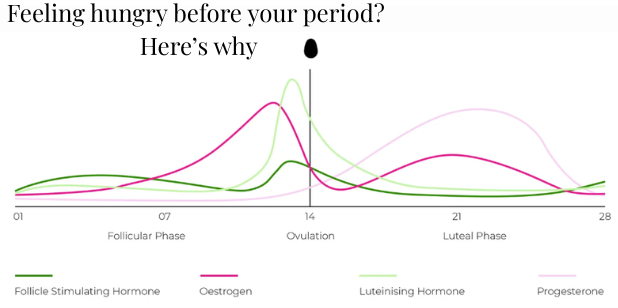
Why is it that you feel hungrier or crave carbs before your period? Here is the science behind it
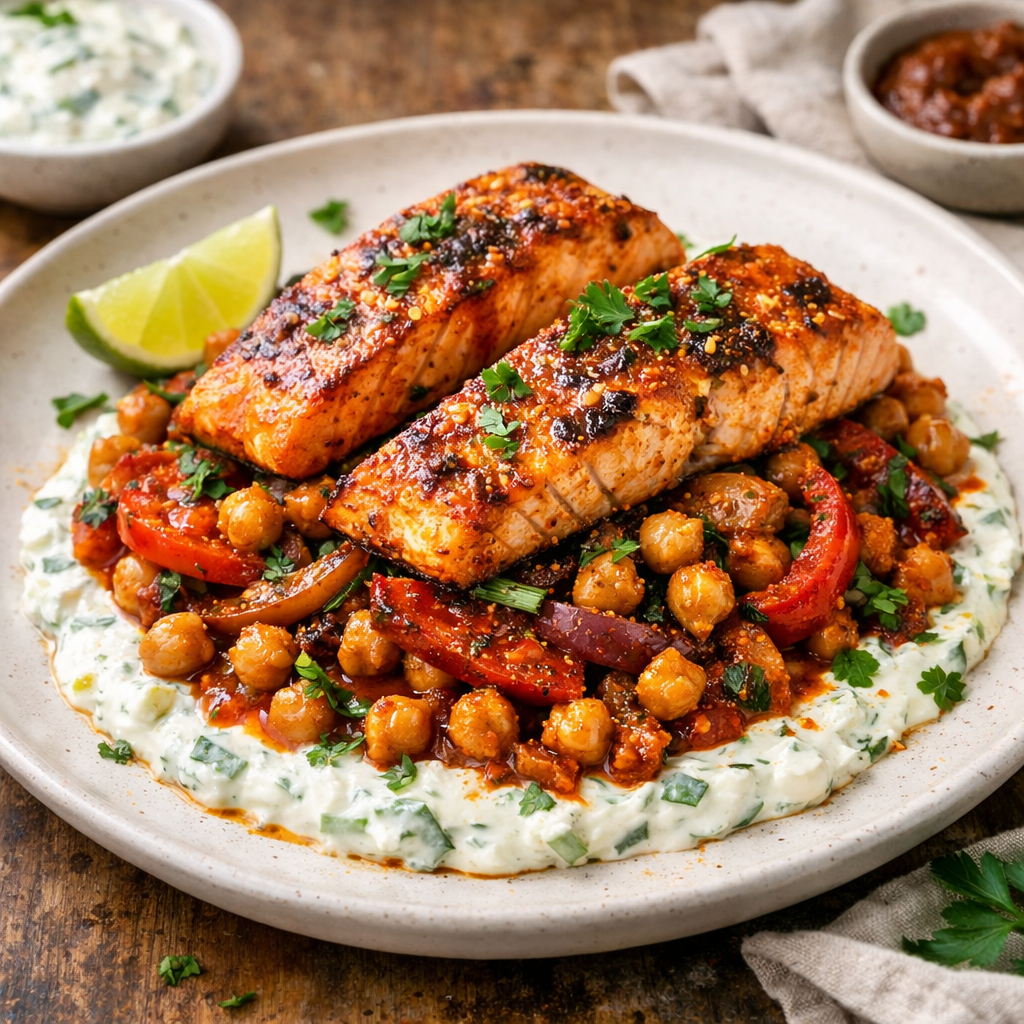
Comfort Food with Benefits - Harissa-roasted Salmon with Chickpeas and Tzatziki This harissa-roasted salmon with chickpeas and tzatziki is one of those meals that feels indulgent but quietly does your body a lot of good. It’s packed with fibre from the chickpeas and vegetables, alongside high-quality protein from the salmon and Greek yoghurt — a combination that’s brilliant for supporting gut health and keeping blood sugar levels steady. Fibre helps slow digestion and feeds your gut microbes, while protein adds staying power, making this a satisfying, balanced dish that won’t leave you reaching for snacks an hour later. The warm, smoky chickpeas coated in rose harissa and spices bring depth and gentle heat, while the cooling, garlicky tzatziki balances everything beautifully. Finished with tender, oven-roasted salmon, this is a nourishing, flavour-forward recipe that works just as well for a relaxed weeknight dinner as it does for something a little more special — comfort food with benefits. Serves 2 people, Ingredients: 400g Chickpeas in water, drained 1 Red Onion, sliced 1 Red Pepper, sliced 3 Garlic Cloves, crushed 1.5 tbsp Tomato Puree 1 tbsp Rose Harissa Paste 1 tsp Smoked Paprika 1 tsp Cumin ground 1 tsp Honey ½ Lime, juice 2 Salmon fillets (adjust this depending on your protein requirements and the size of the salmon fillets) 3 tbsp Greek Yoghurt 1 Cucumber Pinch of sea salt 1 tsp Extra Virgin Olive Oil Heat the oil in a pan and add the onions, peppers and salt. Saute gently for 5 minutes or so until soft, then add 2 cloves of the garlic, paprika and cumin, and cook for another couple of minutes. Add the tomato puree and harissa and cook for a minute before adding the chickpeas. Add the honey, lime juice and cook for another 5 minutes. Season the salmon fillets and roast in a hot oven (220c) until cooked through. This will be approx. 10 minutes if chilled or 20 minutes if frozen. Meanwhile, mix the yoghurt with a clove of crushed garlic and a pinch of salt. Grate the cucumber onto a clean cloth, then gather up the sides and squeeze out the excess water. Mix the cucumber into the yoghurt to finish the tzatziki. Start with the tzatziki as a base on your plate. Add the chickpea mix and then the salmon fillet on top.
Keeping it simple As a nutritionist, one of the most common patterns I see is clients feeling overwhelmed, stuck, or frustrate not because they aren’t trying hard enough, but because their energy is being poured into the wrong things. It’s easy to get hung up on the latest food fad, supplement trend, or microscopic detail, while the foundations that actually drive health are quietly being neglected. The distraction of fads and “nutrition noise” Social media has turned nutrition into a constant stream of conflicting advice. One week it’s green powders, the next it’s protein timing, then it’s cutting carbs, cutting dairy, cutting gluten—often without context or individual relevance. Clients come to sessions worried about tiny details while skipping meals, sleeping five hours a night, or living in a constant state of stress. These fads feel productive because they’re concrete and controllable. But focusing on them too early is like rearranging furniture in a house with no foundations. You can optimise all you like—if the basics aren’t in place, progress will always feel hard. Why the basics matter more than perfection Health is built on boring, repeatable behaviours. They’re not flashy, they don’t sell well on Instagram, but they work. ● Sleep: Consistently getting enough sleep is one of the most powerful regulators of appetite, blood sugar, hormones, mood, and recovery. No supplement can compensate for chronic sleep deprivation. ● Eating the right balance: Regular meals with enough energy, protein, fibre, and fats create stability. Blood sugar balance, digestion, and energy levels all depend on this. Perfect food choices mean very little if overall intake is chaotic or insufficient. ● Regular movement: Daily movement supports metabolic health, mental wellbeing, and circulation. It doesn’t need to be extreme—it needs to be consistent. ● Resistance training: This is one of the most underrated pillars of health, especially for women. Building and maintaining muscle improves insulin sensitivity, supports bone health, and protects metabolism as we age. ● Stress management: Chronic stress is not just a mindset issue—it has real physiological effects. Elevated stress hormones can disrupt digestion, sleep, hormonal balance, and appetite regulation. Until these pillars are in place, worrying about superfoods, elimination diets, or the “perfect” macro split is usually a distraction. Why small details become a coping strategy I often see clients fixate on small nutrition issues because it feels safer than addressing bigger lifestyle changes. It’s easier to cut out a food group than to confront burnout. Easier to buy another supplement than to set boundaries around work. Easier to chase optimisation than to rest. But the body doesn’t respond to intensity—it responds to consistency and safety. When those are missing, progress stalls, no matter how “clean” the diet looks. Refocusing on what actually moves the needle Good nutrition isn’t about doing everything. It’s about doing enough of the right things, and being consistent about i. Once the foundations are solid—sleep is prioritised, meals are balanced and regular, movement is part of daily life, strength is being built, and stress is better managed—then fine-tuning can make sense. Until then, simplicity is not a failure. It’s often the most effective strategy there is. As a nutritionist, my role is often less about adding more and more rules, and more about helping people strip things back. When the pillars are strong, health becomes far easier to sustain—and far less exhausting to chase.
As a nutritionist, one of the most frustrating social media trends is the relentless focus on weight loss as the ultimate marker of health